

On 17 January 2026, the “High Seas Treaty” (the BBNJ Agreement) officially entered into force. This is a major milestone: for the first time, the international community has a legally binding framework specifically dedicated to protecting biodiversity in marine areas beyond national jurisdiction. So what does this actually mean?
What are we talking about?
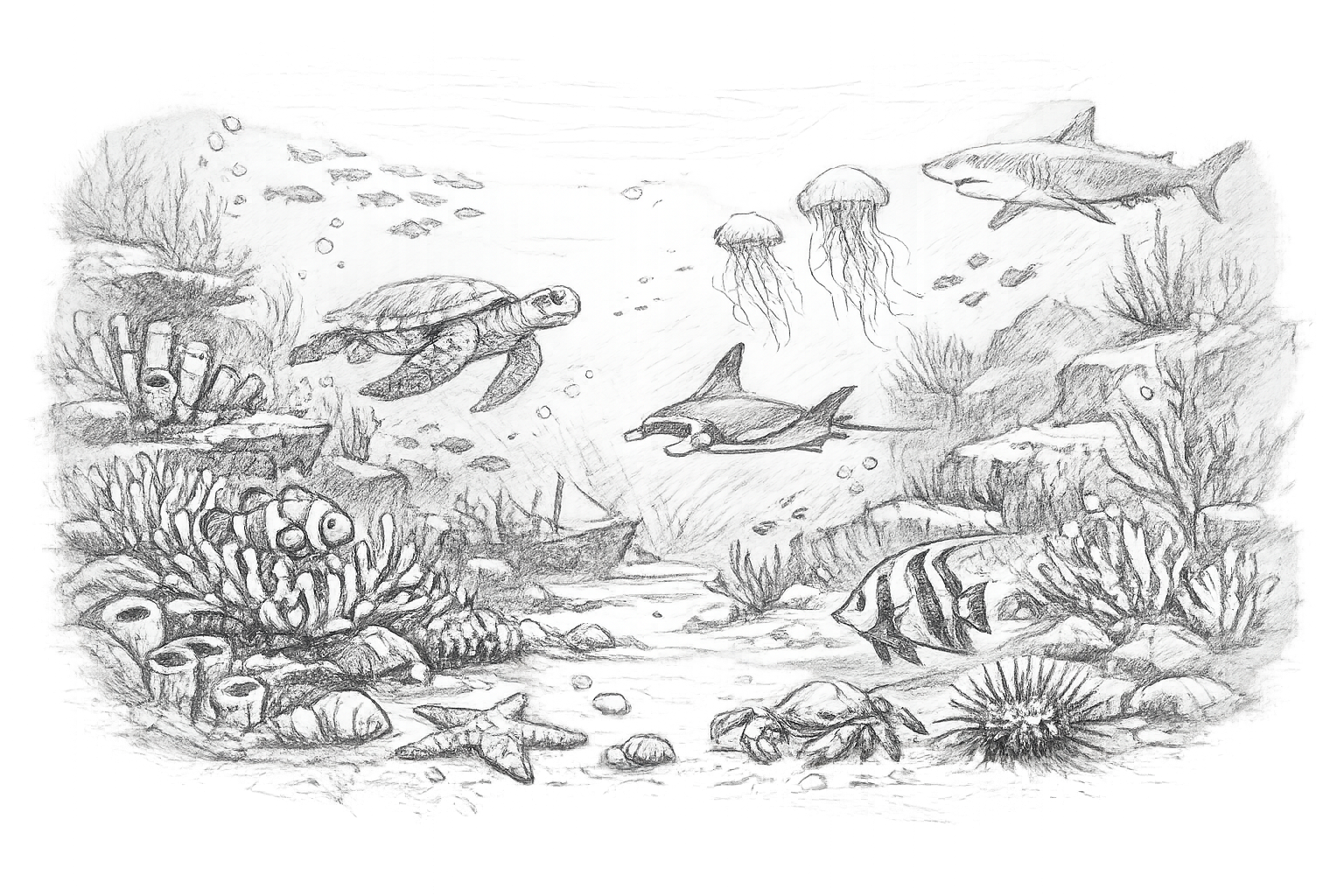
The “high seas” are ocean spaces that belong to no single state. They represent around two-thirds of the ocean and a substantial share of the Earth’s surface. Yet these areas face growing pressures: overfishing, shipping traffic, pollution, climate change, and—potentially in the future—new industrial activities.
Until now, governance has been fragmented: rules existed, but they were often sector-based (fisheries, navigation, etc.), leaving major blind spots for biodiversity. The BBNJ Agreement is designed precisely to close that gap.
What the treaty changes in practical terms
The text establishes a common framework built around four key levers:
-
Creating marine protected areas on the high seas
The treaty sets out the procedure to propose, assess, and adopt marine protected areas (MPAs) in international waters—an essential tool given how limited effective protection of the high seas has historically been. -
Making environmental impact assessments mandatory
Certain activities will be required to undergo environmental impact assessments (EIAs) to anticipate and limit harm to ecosystems. -
Regulating marine genetic resources and benefit-sharing
The treaty introduces principles for the fair and equitable sharing of benefits derived from marine genetic resources (research, biotechnology)—a sensitive issue likely to shape the coming years. -
Strengthening capacity-building and technology transfer
A dedicated component aims to help countries that need it most participate in research, monitoring, and the implementation of conservation measures.
Why this entry into force is a milestone (not the finish line)
The 17 January 2026 entry into force is a strong signal because it means the treaty is no longer a promise: it becomes applicable international law (under the treaty’s mechanism: 120 days after the 60th ratification).
However, effectiveness will now depend on the speed and ambition of upcoming decisions, especially at the first Conferences of the Parties (COPs): rules of procedure, the establishment of bodies and institutions, prioritising the first MPAs, assessment standards, and transparency and compliance mechanisms.
It is also worth noting: the treaty does not cover everything. For example, deep-seabed mining remains addressed under a separate framework (the International Seabed Authority), highlighting the need for coherent governance across institutions.
What this means for us, from a “nature culture” perspective
Even from the French coastline—or from inland wetlands—this treaty speaks to the same core objective: keeping living systems functional. The ocean regulates climate, hosts immense biodiversity, and links planetary ecological networks. Protecting the high seas means reinforcing a key part of the architecture of life.
For Karuna Nature, it is also a powerful educational opportunity: explaining how an MPA is decided, what an environmental impact assessment is, why “30% protected by 2030” has become a global political benchmark, and how that ambition does (or does not) translate on the ground.